- 12

1. From Ancient Foundations to Golden Age
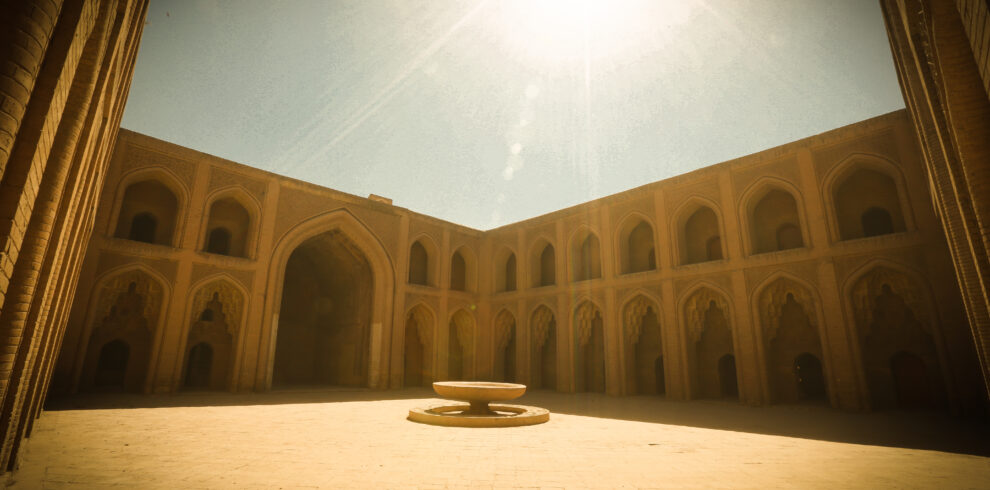
– Founded in 762 CE by Caliph al-Mansur, Baghdad was designed as a circular city called Madinat al-Salam (“City of Peace”).
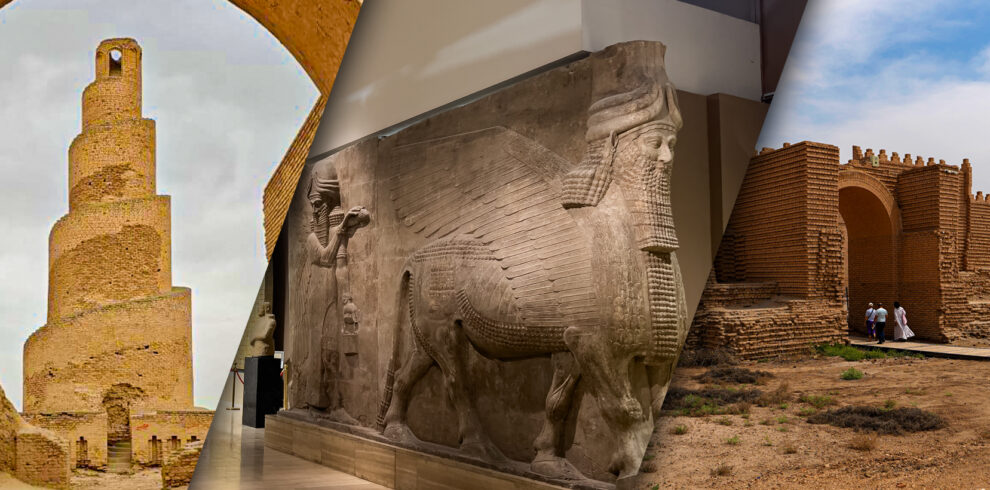
– It quickly became the capital of the Abbasid Caliphate, flourishing as a center of science, philosophy, and literature during the Islamic Golden Age (8th–13th centuries).
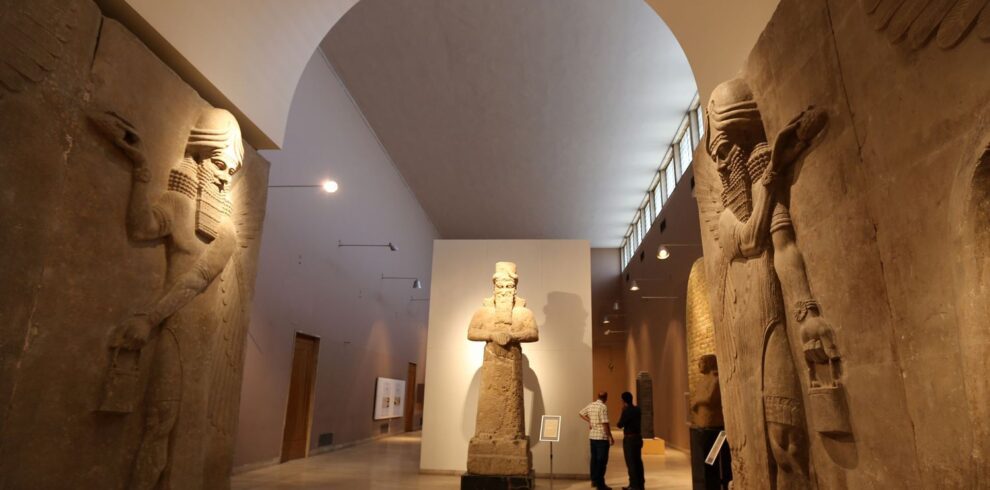
– The House of Wisdom attracted scholars from across the world, translating and preserving ancient texts.
– In 1258, the Mongol invasion led by Hulagu Khan devastated the city, marking the end of its golden era.
2. Ottoman Rule to Modern Nationhood
– Baghdad came under Ottoman control in 1534, remaining so until World War I, when British forces occupied it in 1917.
– It became the capital of the Kingdom of Iraq in 1932, and later the Republic of Iraq in 1958, witnessing rapid modernization.
3. Conflict and Resilience
– The city endured wars and sanctions in the late 20th century, including the Iran-Iraq War, Gulf War, and the 2003 Iraq War, which caused severe infrastructural damage.
– Despite these challenges, Baghdad retained its cultural mystique and historical significance.
4. Baghdad Today
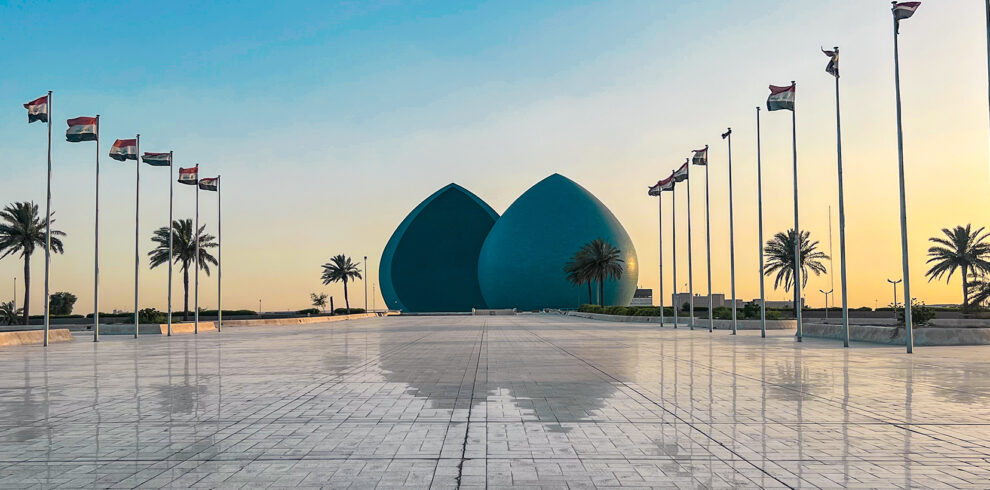
– Now home to over 7 million people, Baghdad is Iraq’s largest city and its political, economic, and cultural heart.
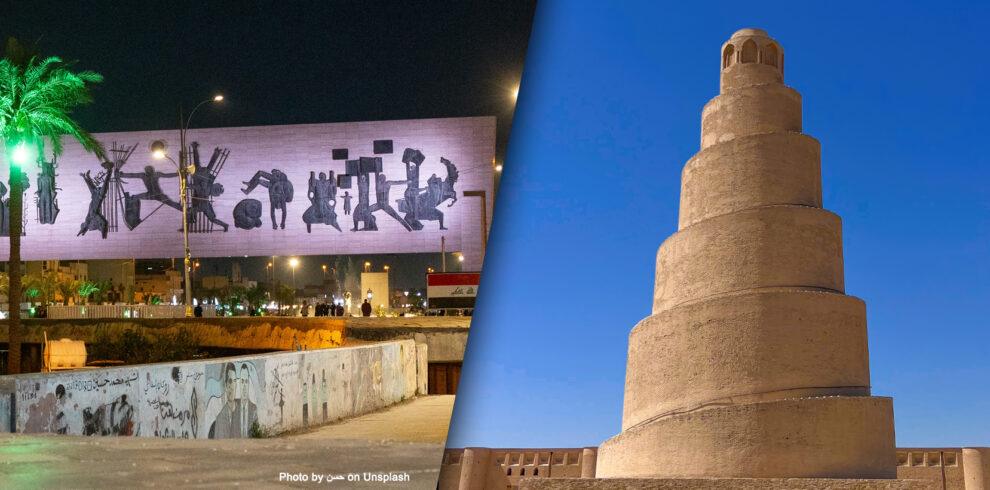
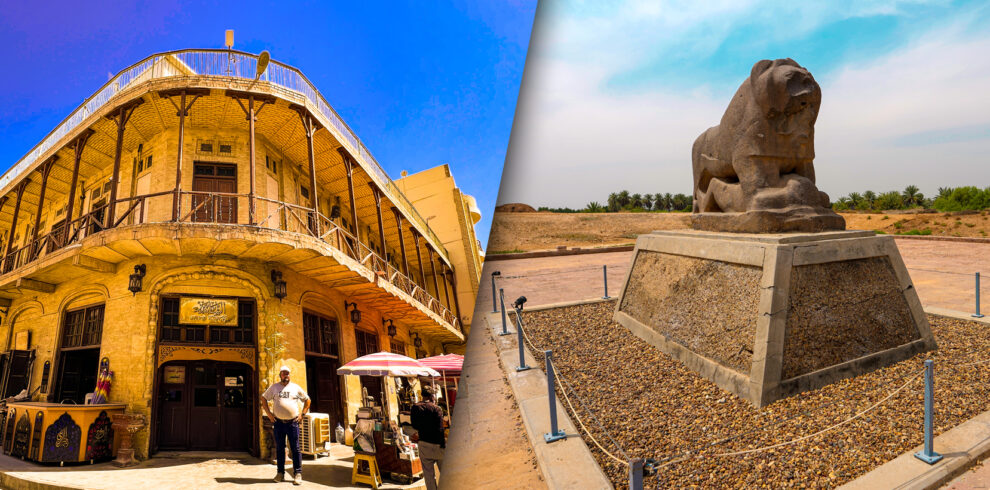
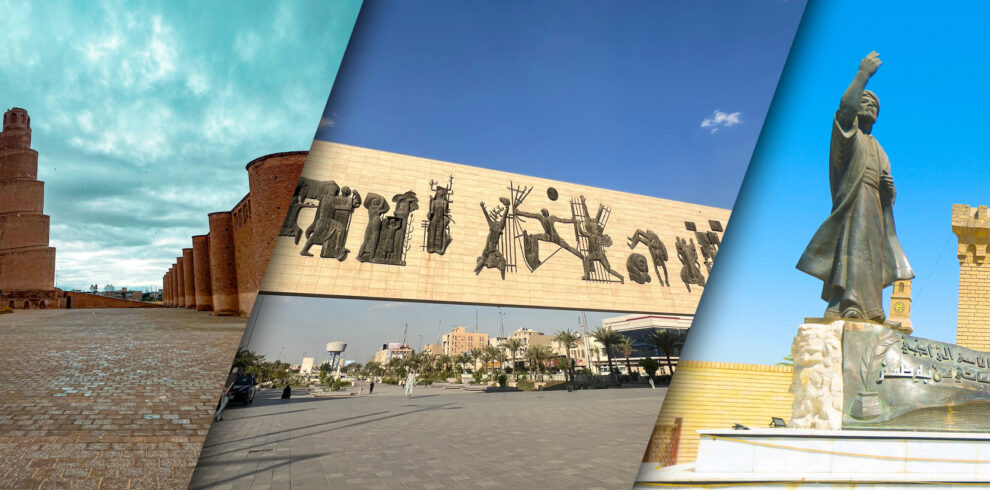
– It’s experiencing a gradual revival, with restored landmarks like Al-Mutanabbi Street, Shabandar Café, and the Abbasid Palace drawing locals and tourists alike.
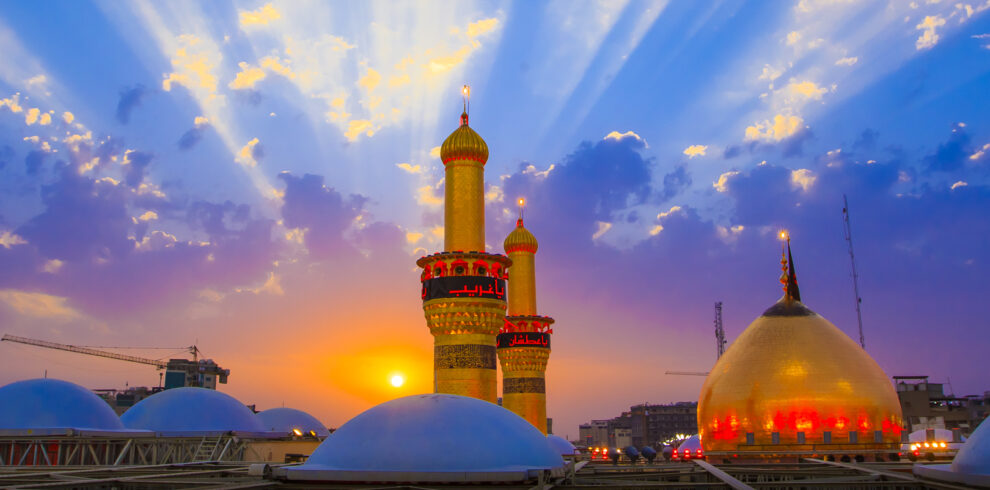
– The city blends ancient charm with modern life—colorful mosques, bustling book markets, and a resilient spirit that continues to inspire.